Arthropod injuries & infestations: The real and the imagined
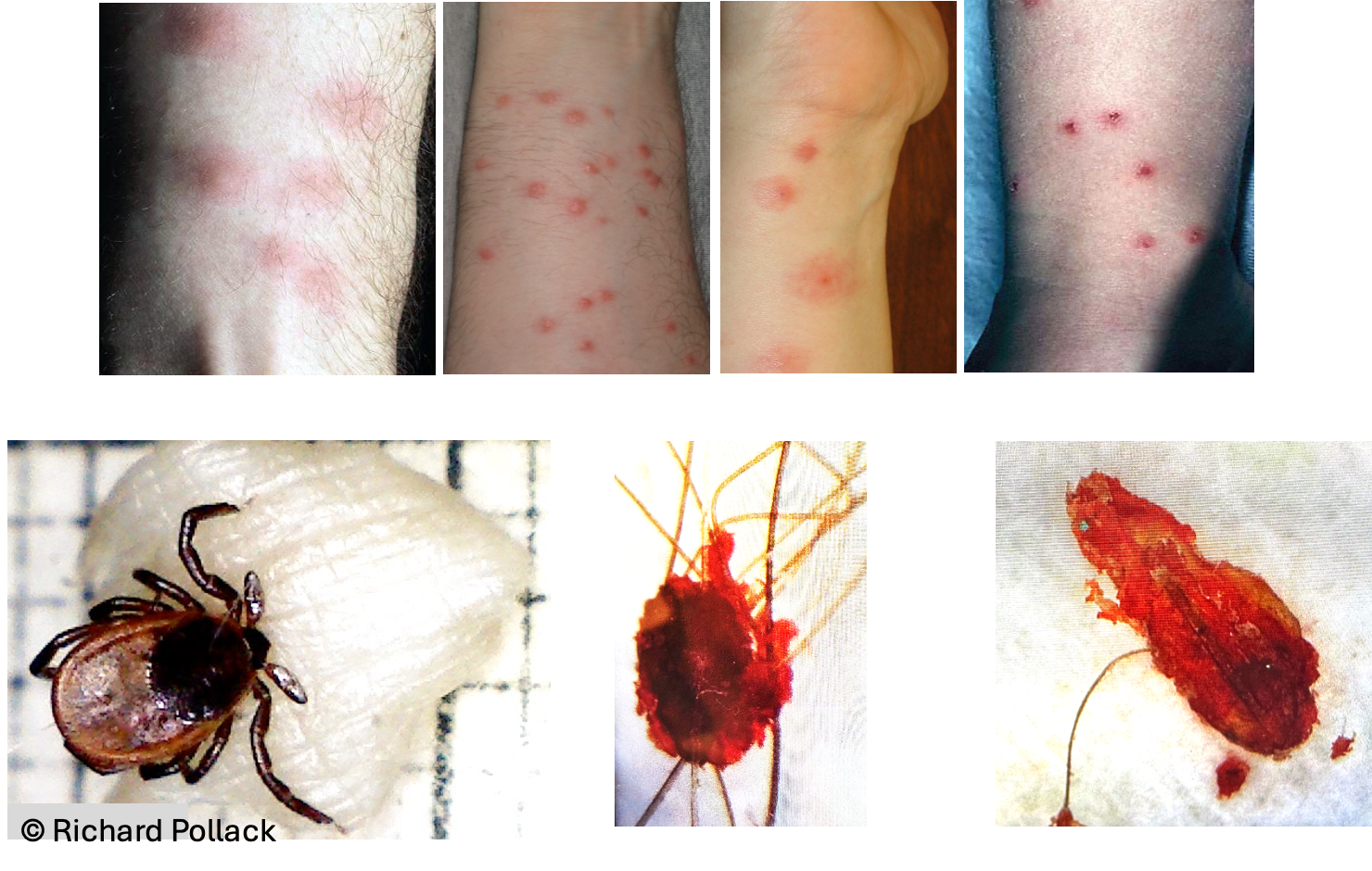
People are frequently burdened by bites, stings, infestations, and irritations from insects and other arthropods. Often, the cause is obvious and verifiable. Other times (and with surprising frequency), the conclusions may be fallacious, even if the injuries and sensations are very real to the sufferer. These problems affect folks from all walks of life and status, including students, faculty, and staff members of this institution. How might one sort the wheat from the chaff, and with what result?
Beyond the hundred or so species of termites that are considered structural and agricultural pests, there are over 3,000 species performing crucial ecological roles as decomposers. This is especially prominent in tropical rainforests, where termite diversity is highest, and tropical savannas, where they account for the majority of wood decomposition. Yet despite their incredible diversity and biomass, the environmental factors influencing these patterns of community structure remain poorly understood. In this talk, I will focus on soil nutrients, and sodium in particular. As detritivores, termites have sodium needs that are orders of magnitude greater than is found in the plant material they consume. My work in the forest-savanna mosaics in the Republic of the Congo looks at the association between termite communities and natural salt licks called bais – a source of sodium scattered throughout the landscape – and the implications for decomposition rates.